About
Applied AI Developer & Data Scientist
I design and deploy production-grade AI systems, custom machine learning models, RAG architectures, and autonomous workflows that solve real-world data bottlenecks.
Whether you need predictive ML/DL models, domain-specific RAG pipelines over private data, autonomous multi-agent systems, or custom document extraction engines, I deliver clean, tested, and reliable systems with fast turnaround.
🛠️ Core Capabilities & Solutions
- Machine Learning & Deep Learning (ML/DL): Build custom predictive models, NLP classifiers, sentiment engines, and computer vision pipelines using Python, Scikit-Learn, PyTorch, TensorFlow, and Hugging Face.
- RAG Architectures & Document AI (OCR + LLMs): Engineer semantic search and retrieval-augmented generation pipelines (FAISS, ChromaDB, Supabase) and multimodal document parsers that extract clean JSON/Excel data from complex PDFs, invoices, and contracts (e.g. PaperVision AI).
- Agentic AI & Multi-Agent Workflows: Architect autonomous agent systems using CrewAI and LangChain with tool calling for automated research, SQL generation, and complex multi-step reasoning.
- Autonomous Automations (n8n & Python): Build self-healing n8n pipelines and custom Python scrapers (Playwright/Selenium) for lead enrichment, CRM sync (Airtable, HubSpot, Google Sheets), and operational workflows.
- SaaS MVPs & AI Web Apps: Deploy custom full-stack web applications and interactive dashboards (Streamlit, Flask, Cloudflare) in 7 to 10 days (e.g. InvoiceForge).
🔬 Background & Data Quality
My background in Quality Control and instrumental analysis instilled a strict zero-defect standard for data integrity. I bring systematic validation protocols, schema enforcement, and edge-case handling to every ML model and AI pipeline I build.
💡 How We Work Together
- Fast Prototypes: I frequently share working proof-of-concept tests within 24 to 48 hours to validate logic and data flow before full deployment.
- Zero Guesswork: Every delivery includes clean code, clear documentation, and a 2-minute Loom video walkthrough.
- Ongoing Support: Available for model maintenance, updates, and monthly retainer workflows.
View My Resume
Projects

An autonomous multi-agent competitive research and video planning system built with CrewAI and OpenAI GPT-4o-mini. It ingests 2–5 competitor YouTube URLs, extracts full spoken transcripts via zero-cost subtitle APIs, audits audience-retention blind spots, formulates 3 viral counter-angles with 15-second opening hooks, and delivers a production-ready 5-act recording outline. Features an interactive Streamlit UI with real-time agent execution progress tracking and Markdown dossier export.
Explore on GitHub: Link

An explainable multimodal AI forensic platform that cross-examines 2D-FFT frequency spectra, Error Level Analysis (ELA) compression residuals, Laplacian boundary seams, biological dermal micro-texture, and Vision Transformer (ViT) deepfake classifiers. Features a military-grade cyber HUD, real-time Canvas frequency charts, and downloadable court-grade PDF audit dossiers in under 400ms. Built with Astro 5, TypeScript, FastAPI, OpenCV, SciPy, and HuggingFace.
Live Demo: spectra-vision-ai.vercel.app | Explore on GitHub: Link

An autonomous Accounts Payable pipeline built in n8n that automates Three-Way Matching. It ingests incoming PDF invoices, uses Vision/LLM structured extraction to parse financial metadata into clean JSON, cross-references approved Purchase Orders (POs) in Google Sheets, auto-approves valid payments with Slack alerts, and flags billing overcharges with automated Gmail alerts.
Explore on GitHub: Link

LeadScout AI is an autonomous B2B research and outreach copilot that turns company websites into deep business intelligence, diagnosed operational bottlenecks, and anti-AI humanized outreach copy (Cold Email, LinkedIn Note, 60s Loom Pitch) in under 6 seconds. Built with Python, Streamlit, multi-provider LLMs (OpenAI GPT-4o-mini, Claude, Gemini, Groq), and OpenPyXL for executive Excel exports.
Explore on GitHub: Link

InvoiceForge is a production micro-SaaS platform engineered for real-time invoice creation, dynamic client-side PDF generation, and automated billing management. Built with secure user authentication, responsive UI/UX, and fast cloud edge deployment, it demonstrates end-to-end SaaS architecture from database to custom production domain.
Explore the Live Version: Link

DataPilot AI is an autonomous Business Intelligence copilot that turns raw CSV data into interactive analytics dashboards, KPIs, and predictive forecasts. Powered by DuckDB, FastAPI, Scikit-learn, Prophet for time-series forecasting, and Google Gemini AI for automated strategic insights and executive summaries.
Explore on GitHub: Link

Built a fully local AI-powered LinkedIn content automation system using n8n, Ollama (Qwen 2.5), and Google Sheets. It fetches articles from RSS feeds, analyzes relevance and engagement, generates LinkedIn posts, suggests optimal posting times, and logs everything in Sheets. Fully customizable with any LLM and RSS niche for high-efficiency social workflows.

Jarvis is a versatile voice assistant activated via the wake word 'Jarvis,' the Win+J hotkey, or a dedicated button.
It streamlines task automation and phone operations through ADB (Android Debug Bridge) while leveraging Hugging Face's
deepseek r1 model for natural language understanding and HuggingChat for conversational interactions.
Designed to be modular and highly customizable, it allows seamless adaptation and feature expansion.
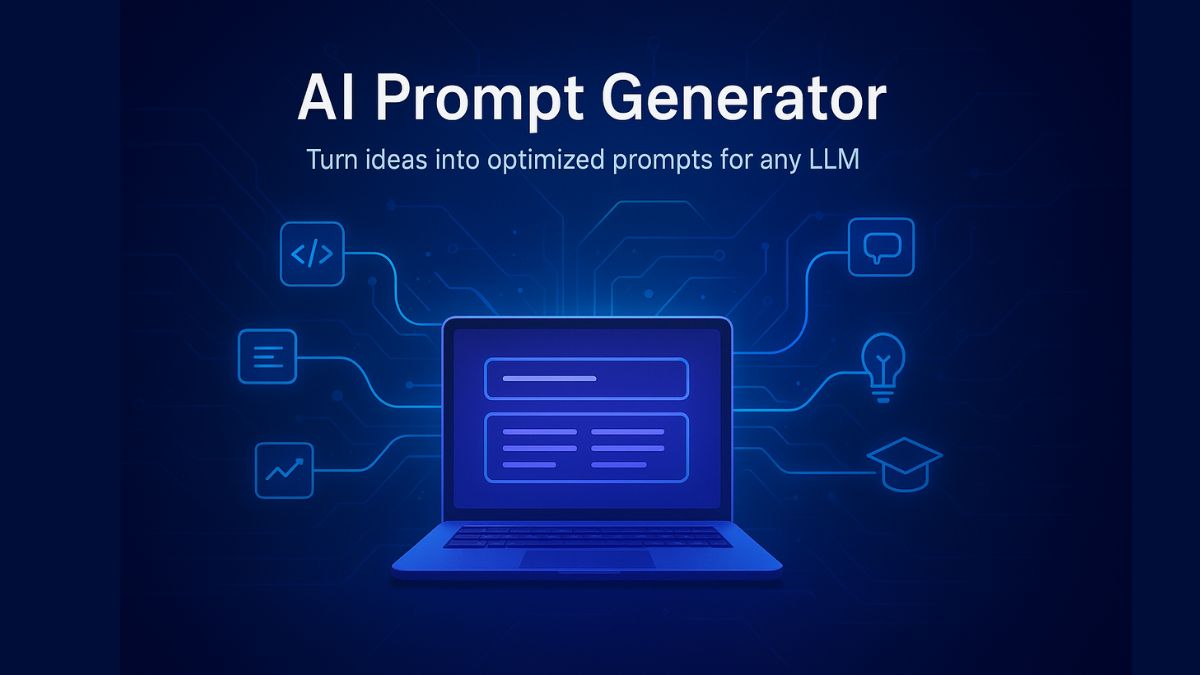
AI Prompt Generator is a Streamlit-based application that simplifies the art of prompt engineering by converting plain user queries into well-structured, role-based prompts optimized for any LLM. Powered by LangChain and Ollama's qwen2.5 model, it adapts tone (Professional, Casual, Humorous, Persuasive), adds role definitions, and applies formatting rules to ensure clarity and effectiveness. The tool is domain-agnostic—whether for coding, marketing, storytelling, or education—making it a versatile assistant for developers, marketers, and creators. Its modular, extensible architecture and offline privacy-first LLM integration make it both practical and customizable for real-world AI workflows.
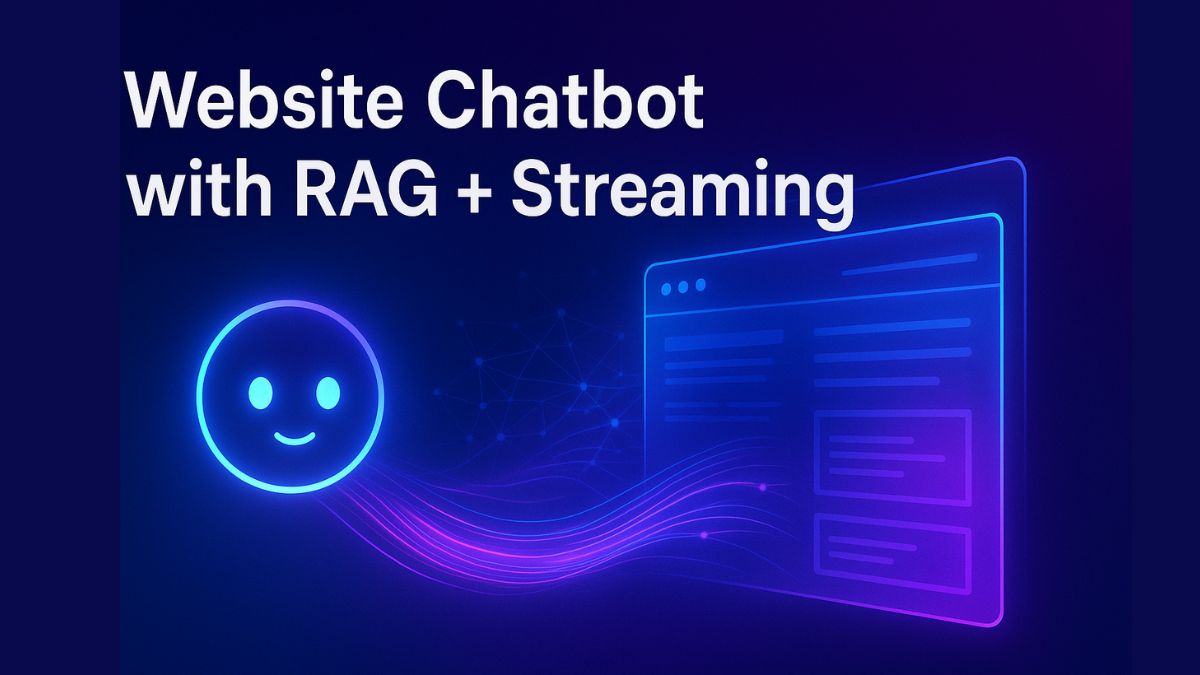
I built a chatbot application that enables users to interact intelligently with website content using Retrieval-Augmented Generation (RAG). The system fetches and processes web pages, creates embeddings with Ollama, and stores them in ChromaDB for efficient retrieval. It integrates a history-aware conversational pipeline with real-time streaming, allowing responses to be displayed token by token for a dynamic, human-like experience. The backend is implemented in Python with LangChain and Ollama's llama3.2:latest model, while the frontend uses Streamlit to deliver a clean, interactive interface that supports chat state management, error handling, and smooth user interaction. This project highlights my ability to combine NLP, RAG pipelines, vector databases, and modern LLM deployment practices to create robust, user-friendly AI applications.
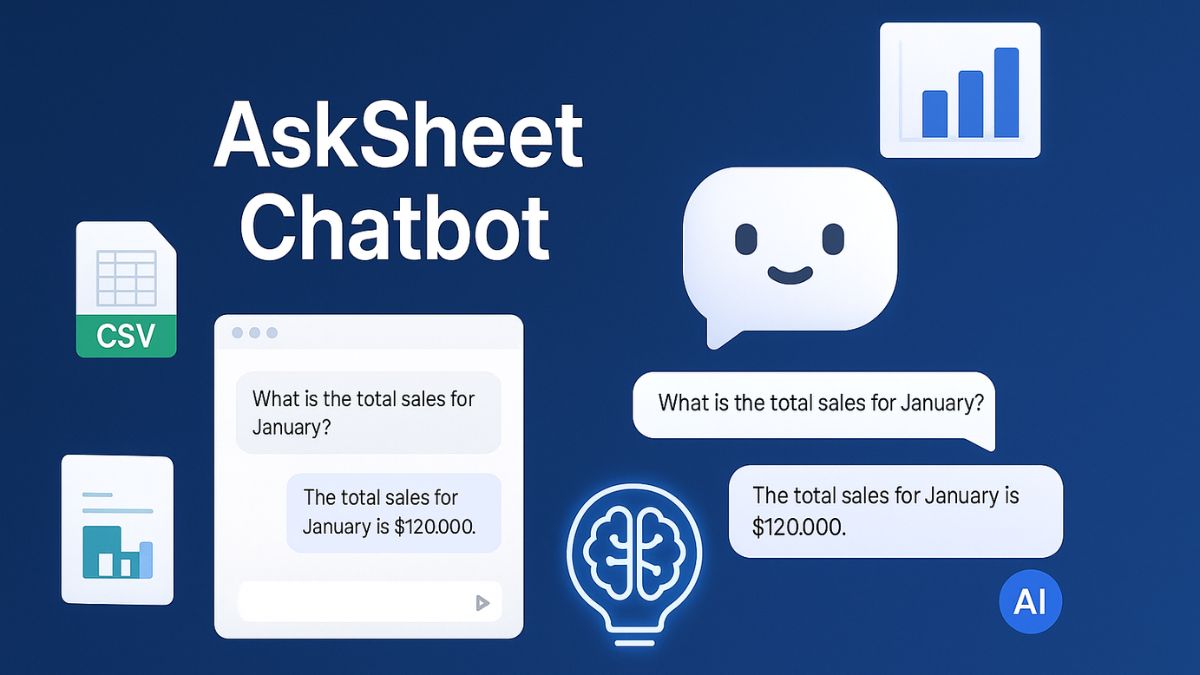
AskSheet Chatbot is a Streamlit-based AI application that enables users to query structured data (CSV, Excel) using natural language. Built with LangChain and a local Ollama LLM (Qwen2.5), it features a responsive chat interface that intelligently answers questions about uploaded spreadsheets. The app handles file uploads, session management, and Excel-to-CSV conversion, offering a seamless user experience. This project highlights my ability to integrate LangChain tools, work with local LLMs, and build intuitive, real-world AI interfaces.
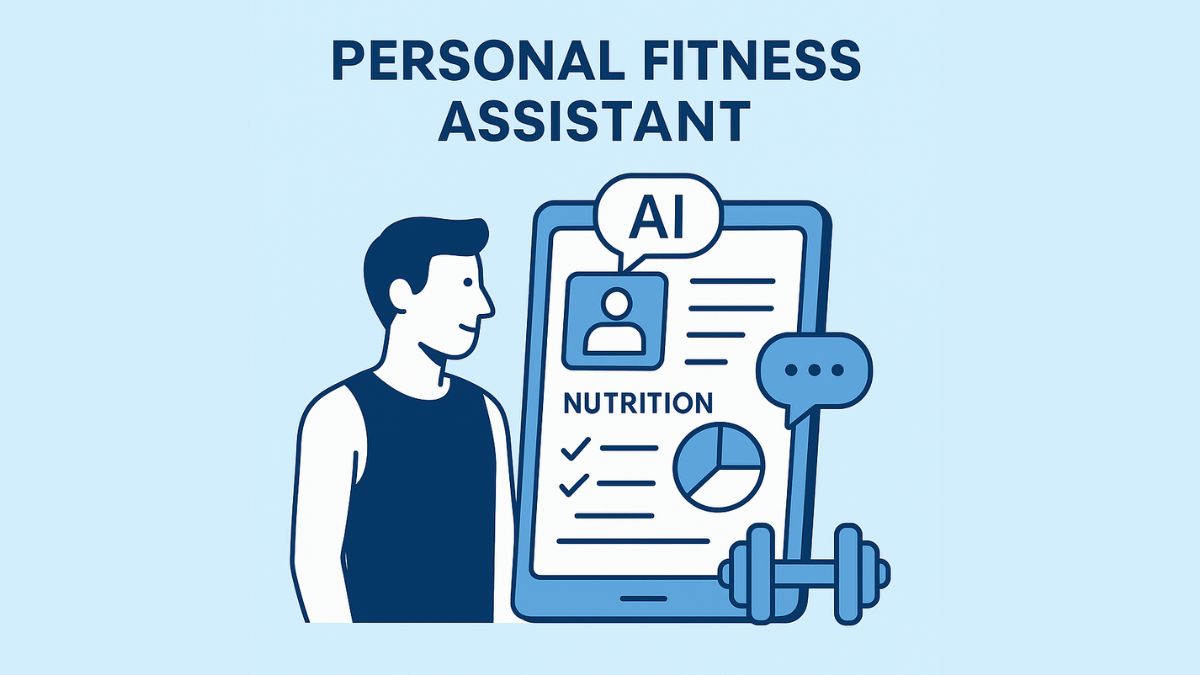
The Personal Fitness Assistant is an AI-powered web app that provides personalized fitness and nutrition guidance based on user data and goals. Built with Streamlit, it collects personal details like age, weight, activity level etc and fitness goals, then uses Langflow workflows running locally to generate tailored advice and nutrition plans. User notes are stored in Astra DB as vector embeddings, enabling semantic search through Retrieval-Augmented Generation (RAG). When users ask questions, the app fetches relevant notes and combines them with AI-generated responses for more contextual and accurate suggestions, creating a truly personalized fitness experience.
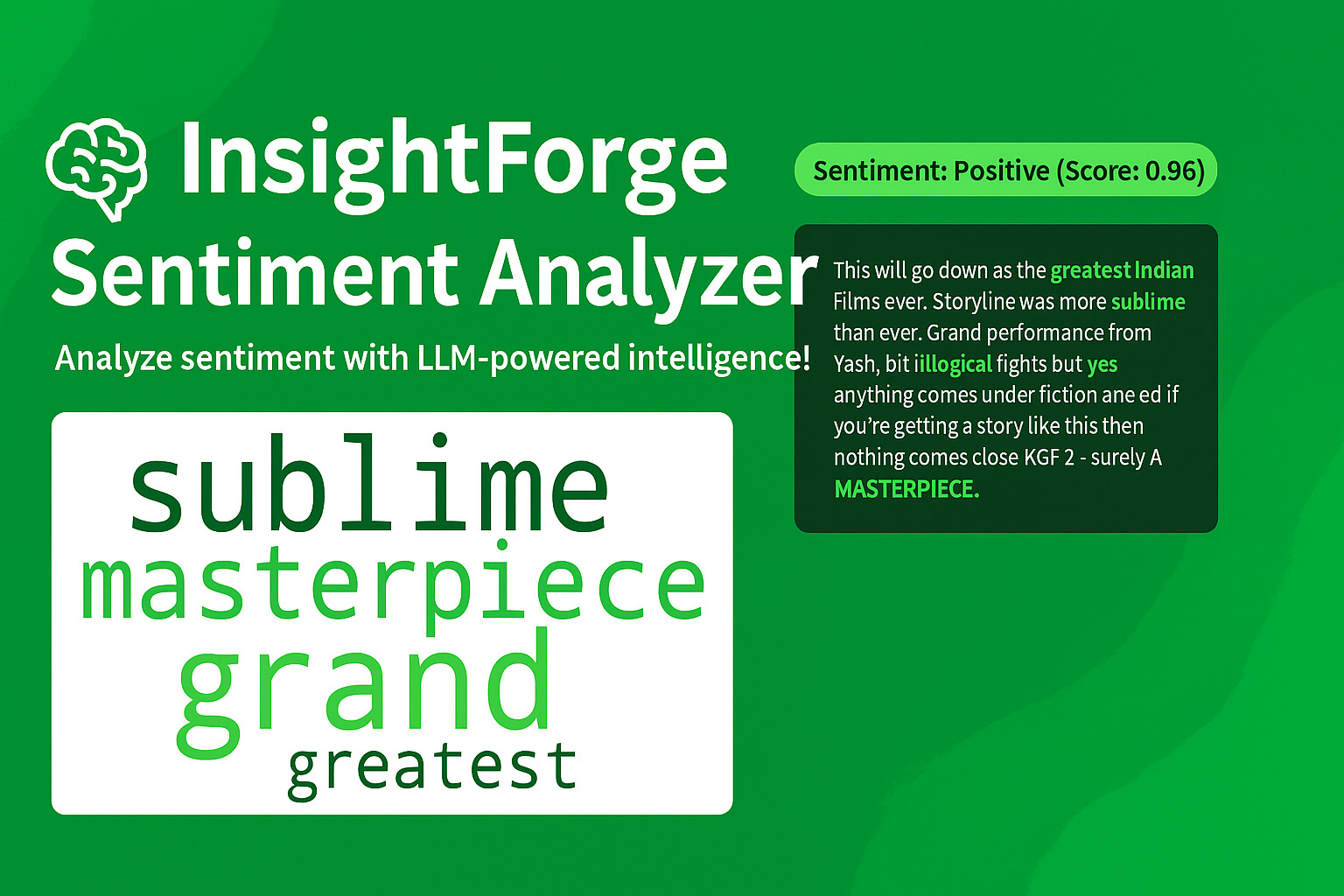
InsightForge Sentiment Analyzer is a web app that helps you understand the mood of any text you enter. It tells you if the text is positive, negative, or neutral, highlights important words, and shows a word cloud of the main feelings in the text. It's easy to use and works with different languages.
AI Code Assistant is an intelligent AI tool built with Streamlit that leverages the power of local LLMs via Ollama and LangChain to assist with end-to-end coding tasks. It supports code generation, explanation, debugging, completion, and review across multiple programming languages. Powered by the qwen2.5-coder:3b model, the app provides fast, reliable and context-aware assistance. Designed for both productivity and learning, AI Code Assistant offers an interactive interface that streamlines complex coding workflows with just a few clicks.
This project is an AI-powered resume analysis tool designed to provide users with detailed feedback and actionable suggestions to improve their resumes. Leveraging the Llama 3.2 model through Ollama, the application supports PDF and TXT resume formats and offers job role-specific recommendations along with an overall resume rating. Built with a user-friendly Streamlit interface, it enables users to upload their resumes, optionally specify the job role, and receive AI-driven insights to enhance their chances in the job market. The project integrates advanced AI processing using LangChain and is structured for easy deployment and use.
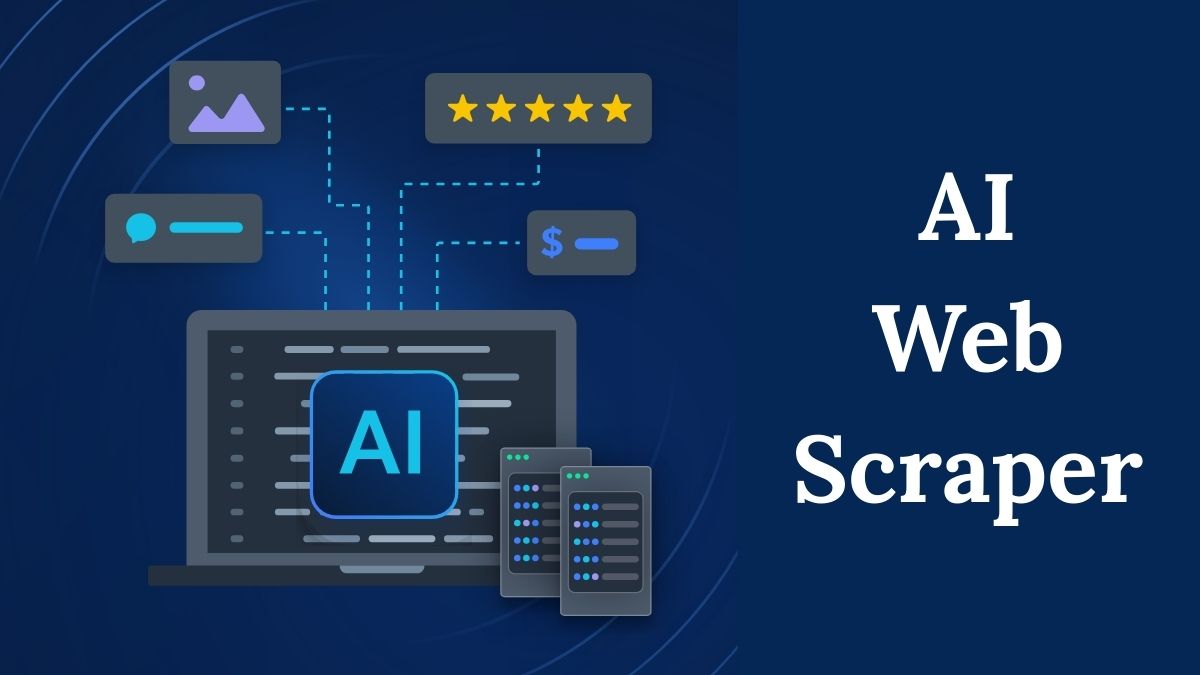
AI Web Scraper is a smart, LLM-powered web scraping tool built with Selenium, BeautifulSoup, Ollama and Streamlit. It uses stealth techniques (random user agents, headless browsing, and scrolling) to mimic human behavior and avoid detection while scraping websites. The cleaned content is processed in chunks and passed to the Mistral LLM via Ollama, which intelligently extracts user-specified information from scraped data. The interactive Streamlit interface allows users to input URLs and custom queries, making data extraction from any webpage intuitive, precise and user-driven.
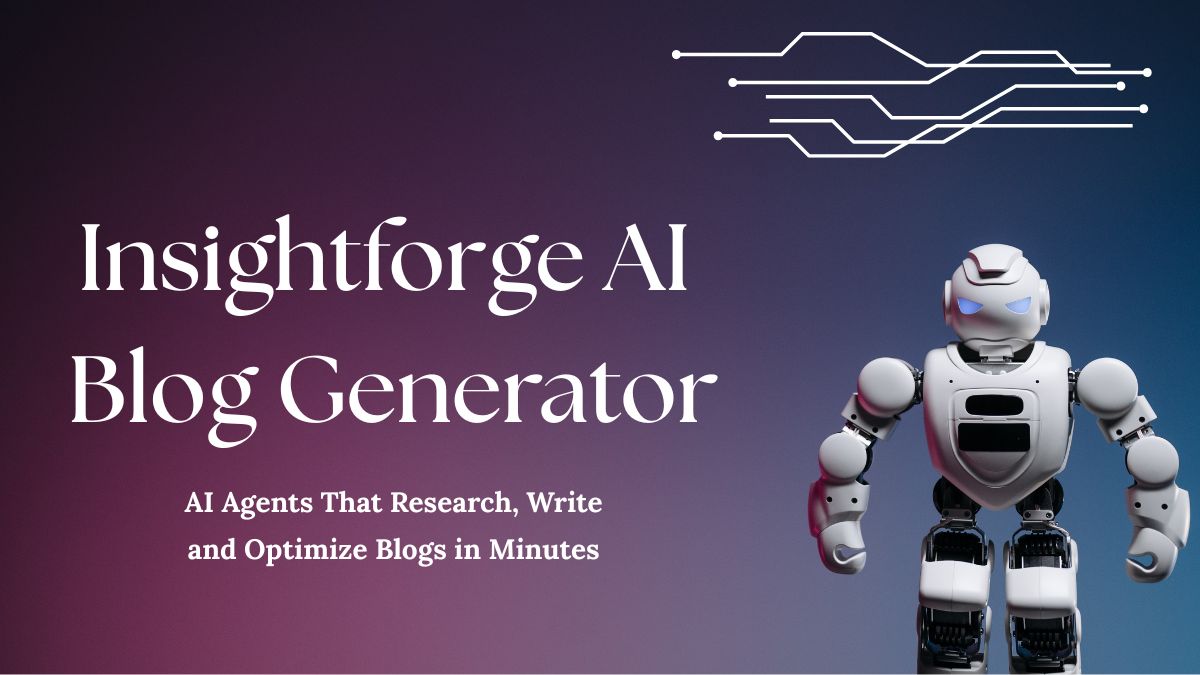
Insightforge AI Blog Generator is my first large-scale AI agent project, designed to simplify content creation with just a single topic input. It uses Google's Gemini model and CrewAI agents to research, write, optimize, and polish full-length blog posts — along with generating platform-ready social media content including hashtags, best posting times, and engagement tips. The app runs on a user-friendly Streamlit interface and outputs clean, structured results. It's fully modular and will continue to evolve with new improvements and features.

An intelligent chatbot capable of answering questions from any uploaded PDF using Retrieval-Augmented Generation (RAG). Built with LangChain and powered by Google's Gemini LLM and Generative AI Embeddings, it semantically processes and retrieves the most relevant content using FAISS and MultiQueryRetriever with MMR for diverse context. Users can upload and preview PDFs, ask questions, and receive accurate, context-aware answers through a clean Streamlit interface. This project demonstrates my ability to integrate LLMs, vector databases, and retrieval chains to create practical AI-powered tools.
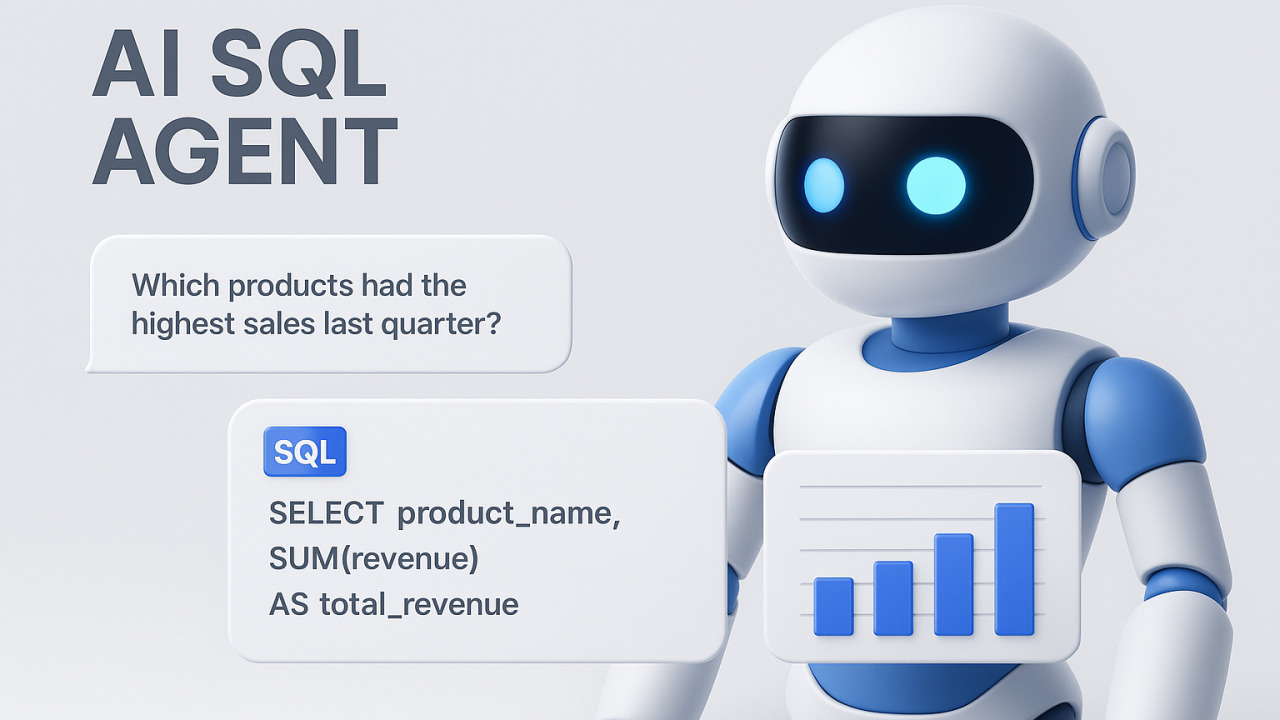
AI SQL Agent - An SQL query generator is an intelligent application that allows users to query MySQL databases using natural language. Built with Google Gemini LLM and LangChain, it translates plain English into accurate SQL queries, executes them, and returns results as downloadable Pandas DataFrames. The app features a clean Streamlit UI, supports complex schema-aware queries, and ensures robust database interaction via SQLAlchemy. This project showcases the seamless integration of LLMs with real-world data infrastructure for intuitive data access.
The YouTube Video Q&A Chatbot is a Streamlit-based web app that lets users paste a YouTube video URL to fetch its transcript and interact with a chatbot about the video's content. Built on Langchain's Retrieval-Augmented Generation (RAG) architecture, the app uses transcript extraction, text splitting, vector embeddings, and FAISS for efficient context retrieval. It employs Google Gemini AI to generate context-aware answers based on the video transcript, ensuring accurate responses. The app features a user-friendly interface with video display, details, and an interactive chat for seamless Q&A.
Insightforge Research Assistant is my first AI agent project, marking a key milestone in my data
science journey. Built using Langchain, Google Gemini 1.5 Pro, and Streamlit, it automates
online research, summarizes insights, and saves them in a structured format — a simple yet
powerful tool designed for students, researchers, and curious minds.
Explore the Live Version: Link
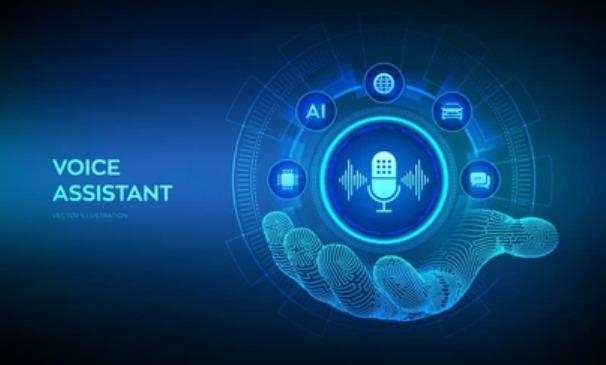
This Voice Assistant simplifies tasks through voice commands and real-time interaction.
Built with Flask, it can answer questions, stream music from YouTube, provide live weather updates
via the Open-Meteo API, set reminders with notifications, and display conversations through an
interactive chat-based UI. With voice input and output, it offers a seamless and efficient user experience.

Insightforge Chat App is an AI-powered chat application that allows users to interact with a conversational AI model.
This application provides concise answers to user queries and offers detailed explanations when requested.
Built using Groq and the Llama3-70B-8192 model, it delivers powerful, intelligent responses.
Explore the Live Version: Link

AskMyDoc AI is an AI-powered document Q&A system that allows users to upload TXT, PDF, or DOCX files and ask questions based on their content. Built with Streamlit and powered by a pretrained RoBERTa model, it efficiently extracts text and provides accurate answers in real time. This project showcases the power of NLP in document understanding, making it a useful tool for research, academics, and professionals.

The Movie Recommender System is a content-based engine that suggests similar movies based on user input. It processes metadata like genres, keywords, cast, and crew from the TMDB 5000 Movies dataset using Pandas and NumPy. Movie attributes are transformed into text-based "tags," vectorized with CountVectorizer, and similarity scores are computed using cosine similarity. A Streamlit web app allows users to search for a movie and get five recommendations with posters fetched via the TMDB API.
Explore the Live Version: Link
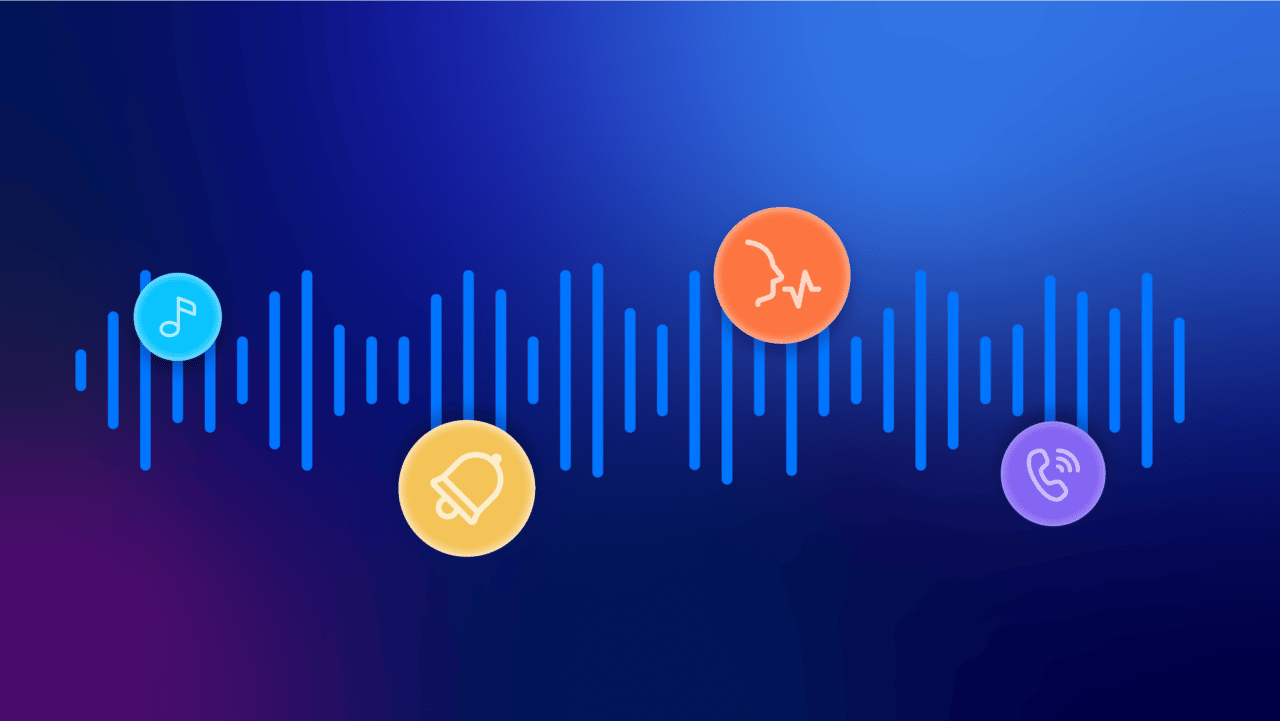
The Real-Time Audio Intent Classification project captures live voice input, converts speech to text using Hugging Face Whisper, and classifies user intent with a pre-trained NLP model. By leveraging Few-Shot Learning, the system accurately identifies intents like Shopping, Customer Support, or Billing without requiring additional fine-tuning. With features such as automatic silence detection, real-time processing, and seamless intent categorization, this project demonstrates the power of speech recognition and natural language understanding for creating interactive, voice-driven applications.
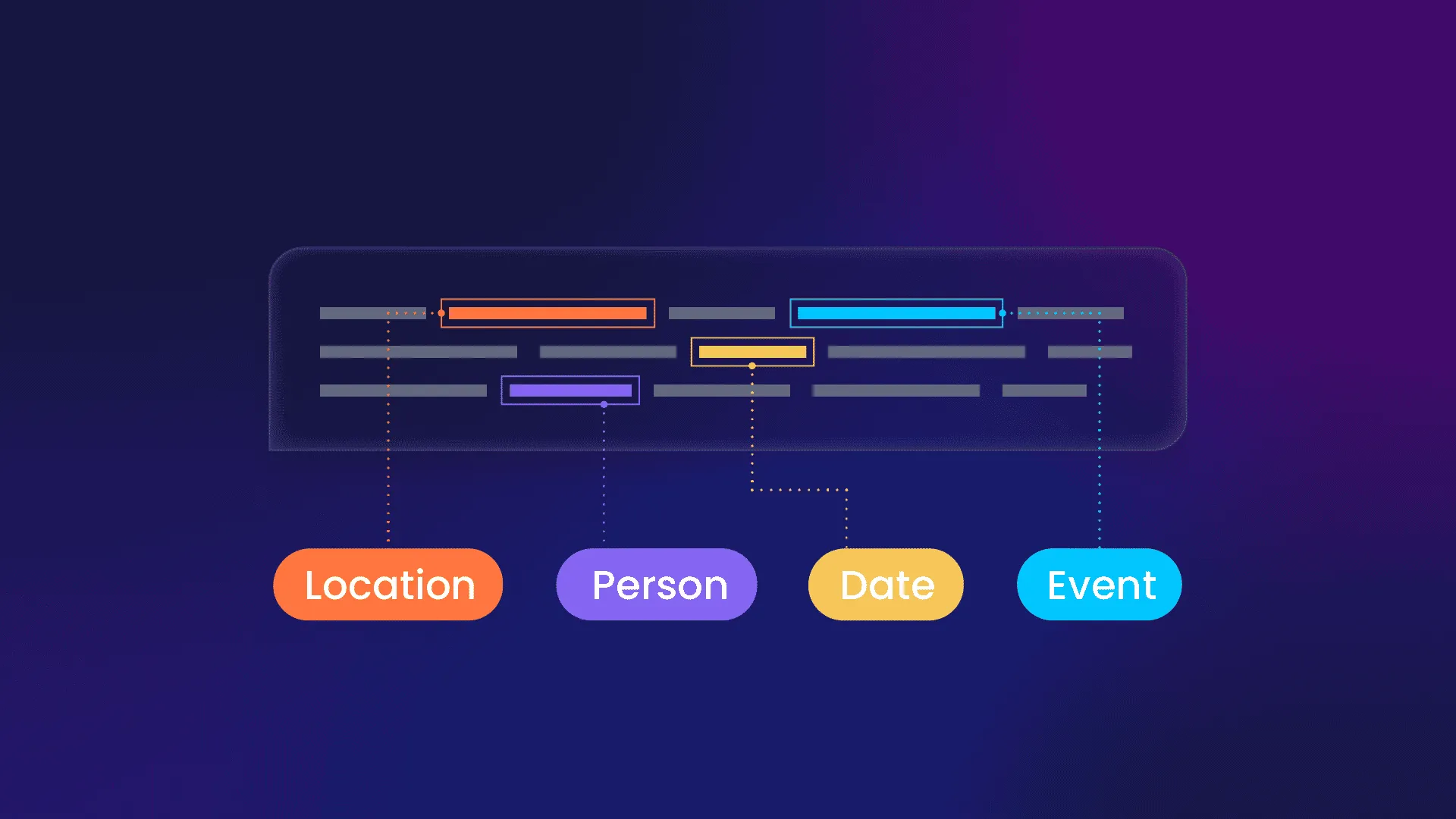
This project is a simple yet powerful Named Entity Recognition (NER) app built with Streamlit and spaCy. It provides an intuitive interface to explore Natural Language Processing (NLP) concepts. The app features Word Tokenization, where users can input text to see it broken into tokens, and Named Entity Recognition, which highlights entities like names, organizations, and locations using interactive visuals powered by spacy-streamlit. It's a practical tool for beginners and enthusiasts to understand and experiment with NLP in a user-friendly way.
Explore the Live Version: Link

This project detects duplicate question pairs using NLP techniques. It preprocesses the input questions,
extracts features like common words and token similarities, and uses a Random Forest classifier to predict
if two questions are duplicates. The app, built with Streamlit, provides an interactive interface for
real-time predictions.
Explore the Live Version: Link
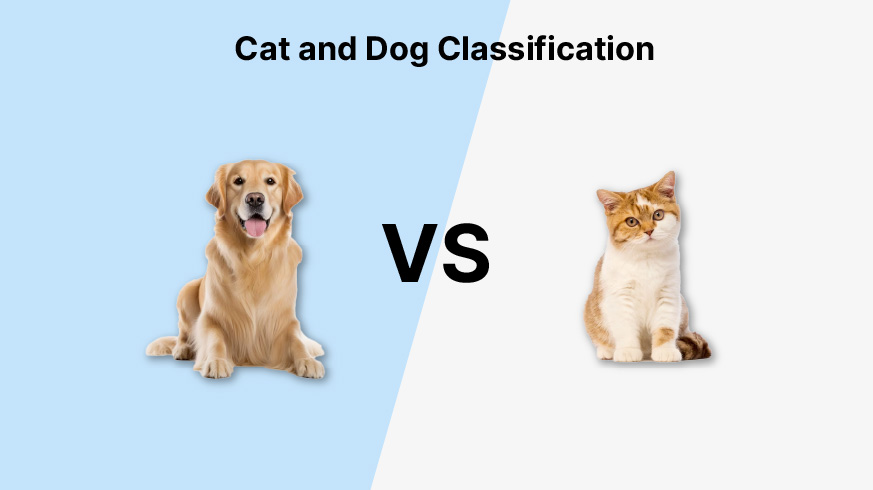
Developed a Cats vs Dogs Classification Model using a fine-tuned VGG16 architecture with transfer learning.
Trained on the Kaggle dataset, the model achieved a validation accuracy of 95.68%. Leveraged data augmentation
and early stopping to enhance performance and prevent overfitting. Integrated the trained model into a Flask
web app for real-time image classification, showcasing expertise in deep learning and AI-driven solutions.
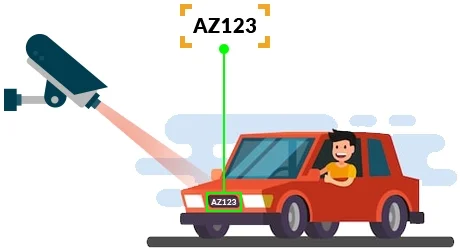
This project is a real-time license plate detection system built using the Haar Cascade Classifier in OpenCV.
The application captures video input from a webcam, detects license plates in real-time, and allows users to
save the detected plate region of interest (ROI) by pressing the s key.

This Project showcases a comprehensive web-based application designed to assist investors in making informed
stock market decisions. The app offers three core features: Stock Analysis, Stock Prediction, and CAPM Return
Calculation. Users can analyze historical stock data, predict future stock prices using advanced forecasting
models, and calculate the expected return on their investments using the Capital Asset Pricing Model (CAPM).
The project integrates data from Yahoo Finance and uses machine learning techniques to deliver valuable insights,
empowering users to optimize their investment strategies effectively.
Explore the Live Version: Link
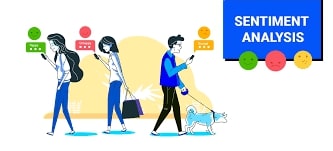
SentimentAnalyzer is a simple yet powerful sentiment analysis tool built using Hugging Face's DistilBERT model
and Streamlit. In this project, I explored how to use pre-trained models from Hugging Face and integrated them
with a user-friendly interface to predict the sentiment of text. This project marks my first step into generative AI,
where I learned not only how to use powerful AI models but also how to deploy them as interactive web apps.
Although simple in design, I gained valuable insights into the process of working with machine learning models
and building real-world AI applications.
Explore the Live Version: Link

I developed a review scraper for Myntra that collects product reviews using web scraping techniques,
leveraging BeautifulSoup and Selenium. The data is stored in MongoDB, and I created a streamlined interface
using Streamlit to visualize and perform basic analysis on the reviews. This project automates the review-fetching
process and provides key insights from user feedback in an efficient manner.
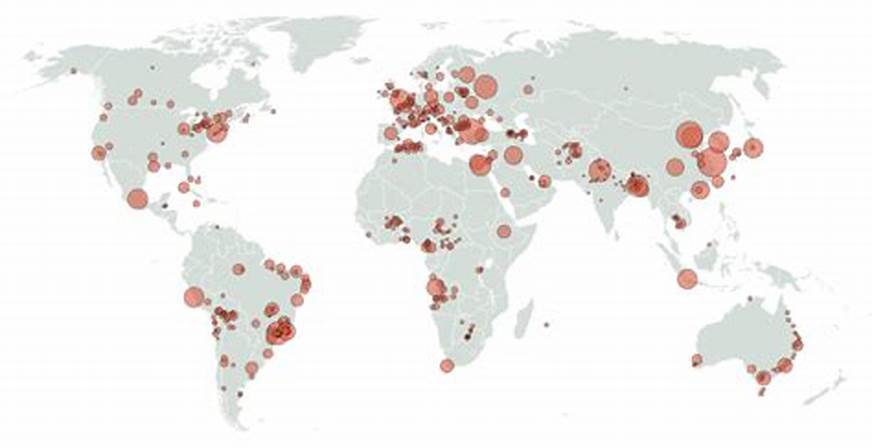
Created a user-friendly Corona Dashboard that provides detailed state-wise and monthly COVID-19 statistics.
The dashboard features interactive visuals for confirmed cases, recoveries, and deaths, offering a clear
and concise view of the pandemic's impact across different regions.

This Nifty50 dashboard provides comprehensive insights into Nifty 50 stocks,
including descriptions, quarterly results, profit-loss statements, shareholding patterns,
stock price charts, and candlestick charts. The data spans from March 2022 to March 2023,
offering a detailed view of the financial performance and market trends of these stocks.
Explore the Live Version: Link

This dashboard offers extensive information on IPL matches played between 2008 and 2022,
providing a detailed overview of match data and performance trends over the years.
Explore the Live Version: Link
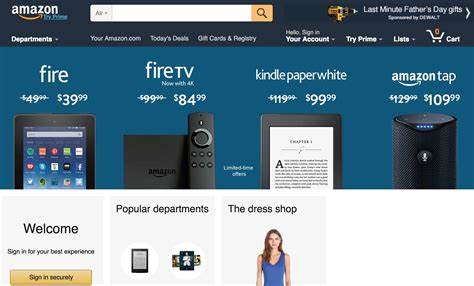
A sophisticated web scraper to gather detailed product reviews from Amazon.
The scraper efficiently extracts information such as review titles, ratings, authors
and full review text.
Explore the Live Version: Link

Discover the latest YouTube videos with ease using our YouTube Scraper.
This advanced web application dynamically fetches real-time data from YouTube,
providing you with up-to-date video titles, view counts, posting dates, and thumbnails.
Explore the Live Version: Link

This dashboard provides an in-depth analysis of the 2024 General Election in India, focusing on:
Party Ad Spend: 'Tracks financial investments in ads by various political parties',
Voter Turnout Analysis: 'Examines voter participation across different states and election phases',
Electorate Data: 'Presents information on total registered voters and the percentage of votes cast'
Explore the Live Version: Link
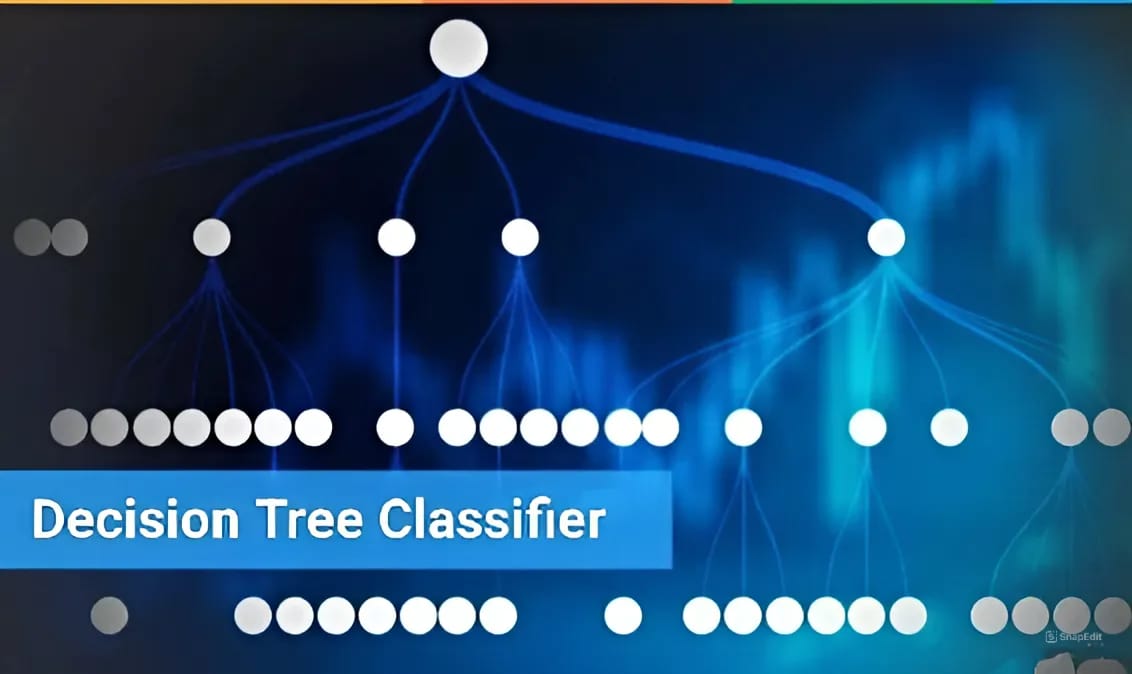
This Decision Tree Classifier project is an interactive streamlit web app designed to generate and visualize datasets,
adjust hyperparameters, and run a decision tree model for classification. Users can create custom datasets by specifying the
number of samples and clusters per class, with the results displayed in a scatter plot.
The application allows fine-tuning of various hyperparameters, enabling users to explore the impact of different settings on model performance.
Additionally, users can visualize the decision tree and access an accuracy report to evaluate the model's effectiveness.
Explore the Live Version: Link
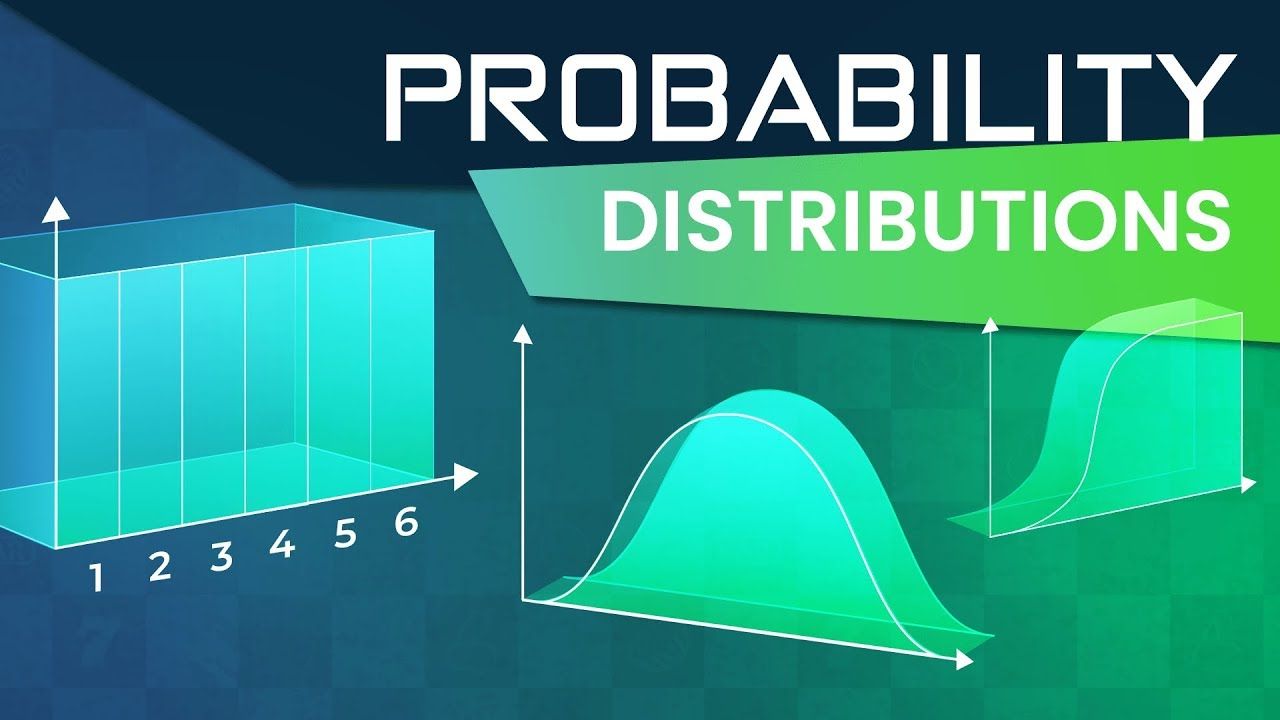
This interactive platform provides comprehensive details and functionalities for understanding statistical
distributions such as Bernoulli, Binomial, Poisson, Normal, and more. Adjust distribution parameters
dynamically and generate distribution plot to observe how changes impact distribution shapes and characteristics.
Explore the Live Version: Link
This project performs sentiment analysis on tweets using a Multinomial Naive Bayes classifier and CountVectorizer.
The dataset includes tweets categorized as positive, negative, or neutral. The Multinomial Naive Bayes model
predicts tweet sentiment based on word distributions, while the CountVectorizer converts text into numerical features.
Pickle is used to save and load the model and vectorizer for deployment.
This project demonstrates the end-to-end process of text preprocessing, model training, and deployment.
Explore the Live Version: Link
Contact